- Shifting your SEO blog post strategy from chasing high-volume informational keywords to targeting high-intent commercial and transactional search queries is the most direct path to increasing bottom-line performance and ROI.
- Because only 14.5 percent of Google searches are commercial and under 1 percent are purely transactional, prioritizing these bottom-of-funnel queries captures ready-to-buy customers instead of simply accumulating high bounce rate traffic.
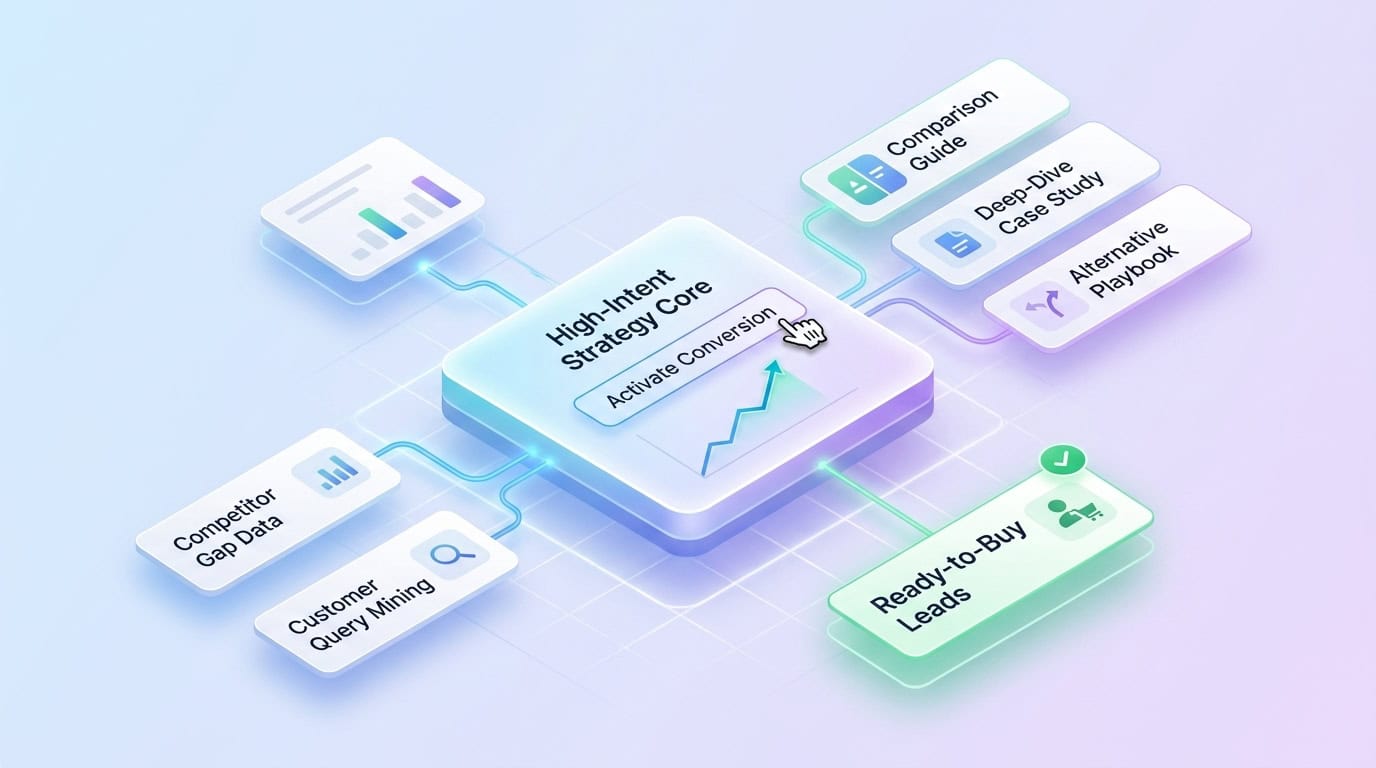
- Utilizing competitor gap analysis and mining customer service interactions allows businesses to discover profitable long-tail keywords, which boast an impressive average conversion rate of 36 percent.
- To maximize conversions and satisfy specific search intent, marketers must map their chosen topics to optimized, high-converting content formats like product comparison guides, deep-dive case studies, and direct competitor alternative playbooks.
- Transitioning from traffic-chasing vanity metrics to revenue-focused tracking through Google Analytics 4 ensures your business blogging strategy directly increases pipeline value and qualified lead acquisition.
Many digital marketers struggle with high traffic volumes that fail to generate actual revenue. Impressions simply do not pay the bills. Learning how to choose SEO blog post topics that attract ready-to-buy customers is the most direct path to increasing bottom-line performance. Shifting toward commercial intent helps businesses avoid the common trap of chasing visibility while ignoring the actual purchase intent of their visitors.
A data-driven business blogging strategy shifts the focus from simple visibility to capturing the precise language prospects use when they are ready to purchase, protecting marketing ROI from the trap of empty vanity metrics.
The Core Shift: Why High-Volume Keywords Without Search Intent Kill Your ROI
Chasing massive search volume usually guarantees two things: high bounce rates and disappointing conversion figures. Why? Because most people are not looking to buy. According to search intent data published by SparkToro and Datos, only about 14.5% of Google searches carry commercial intent, and a mere 0.69% are purely transactional. These high-intent terms represent a small portion of total queries, but they carry the highest potential for immediate revenue.
Prioritizing general informational keywords often leads to a surplus of visitors who have no intention of purchasing. For instance, a top ranking for a vague term like insurance might drive thousands of visits with minimal sales. On the flip side, ranking for a specific phrase like affordable car insurance quotes no deposit brings fewer visits but captures users actively seeking a solution.
The primary goal of an effective search strategy should be increasing pipeline value rather than simply accumulating impressions. Many high-intent keywords, particularly long-tail variations, face significantly less competition in search results. While a term like laptops is fiercely competitive, a more specific query like best lightweight laptop for video editing 2026 is far more attainable and profitable.
Understanding the Search Intent Spectrum: Matching Topics to the Buyer's Journey
Marketers divide the traditional marketing funnel into three key stages known as awareness, consideration, and decision. Identifying the precise intent behind a search query is the foundation for mapping out high-performing SEO blog post topics. Each stage of this journey requires a different content approach to meet the specific needs of the searcher as they move closer to a purchase.
- Awareness Stage: The user identifies a specific problem and actively seeks educational or informational content to understand their issue.
- Consideration Stage: The user evaluates potential solutions, compares different options, and searches for commercial content like reviews.
- Decision Stage: The user is fully prepared to make a purchase and relies on transactional content to choose a specific provider.
| Funnel Stage | Search Intent | Core Modifiers | Example Search Query | Recommended Content Formats |
| Awareness | Informational | how, what, why, guide, tips, tutorial | "how to secure home windows" | Educational guides, how-to articles, explainer posts |
| Consideration | Commercial | best, top, vs, versus, review, comparison | "ADT vs Ring home security" | Comparison guides, review roundups, lists |
| Decision | Transactional | pricing, buy, cost, for hire, trial | "buy ring security system online" | Product landing pages, detailed pricing guides, free-trial offers |
Informational Intent: Building Trust and Awareness
Informational search intent addresses the awareness stage, in which potential customers recognize a problem or need. At this point, users begin looking for general information to understand their situation better. Common search queries in this category include questions like what are common home security risks or why home security is important.
These articles introduce solutions to problems without aggressively pitching a specific product or service. While informational content builds brand awareness and establishes trust, it's not the primary driver of immediate sales. These posts require a strategic internal linking path to guide users toward pages that address higher levels of intent.
Commercial Intent: Guiding Comparison and Evaluation
Commercial intent signals that users are in the consideration stage and are actively comparing various options. These searchers know a solution exists and are looking for the final pieces of information to make a choice. They frequently search for topics such as comparing do-it-yourself (DIY) versus professional home security systems or the benefits of smart home security technology.
Queries in this category often include modifiers like best, top, review, or versus. These topics bridge the gap between initial discovery and the final purchase decision. Focusing on these comparison lists and best-of roundups is a high priority for any modern business blogging strategy.
Transactional Intent: Capturing the Ready-to-Buy Searcher
Transactional intent occurs when a user has reached the decision stage and is ready to take immediate action. Common signals for this intent include phrases like "buy now," "order online," or "free trial." Failing to target these topics directly hands high-converting traffic to competitors who are prepared to capture it.
Keywords that contain modifiers like pricing, for hire, or specific brand-vs-brand comparisons indicate a high readiness to buy. If a search engine results page displays Google Shopping ads or price comparison snippets, it's a clear sign that the query is transactional. Targeting these terms connects your brand with customers at the precise moment they're about to convert.
The Foundations of High-Intent Keyword Research for Commercial Growth
High intent keyword research identifies the specific search queries of motivated buyers. Successful research focuses on the actions searchers want to take and the specific problems they need to solve right now. This approach seeks the most motivated audience instead of just looking for the biggest one.
Mapping the Core Pain Points of Your Ideal Customer Persona
Aligning blog topics with genuine customer frustrations ensures a higher conversion rate. Start by putting yourself in the position of your ideal client and listing the obstacles they face. Ask what specific phrases a person would type into a search engine if they wanted a solution like yours today.
Valuable insights often hide within your customer service tickets and survey campaigns. Your front-line sales representatives can reveal the common questions or phrases people use when they're evaluating their options. The language used in these daily interactions often mirrors the exact search terms people use when they're ready to buy.
Mining customer reviews and online forums for recurring complaints uncovers high-priority content opportunities. Translating these real-world complaints into optimized blog posts creates a highly targeted organic funnel. This method ensures you're capturing motivated searchers who are looking for the specific relief your product provides.
Utilizing Competitor Gap Analysis to Identify Unlocked Revenue
Competitive intelligence is a powerful tool for selecting topics that have already proven to be profitable. Your competitors may already be capturing buyer intent searches that you haven't yet targeted in your own strategy. Analyzing their domains can reveal the exact commercial keywords that are driving their organic conversions.
You can use industry-standard platforms like Ahrefs or Semrush to filter a competitor's ranking keywords for commercial or transactional intent. Look specifically for phrases like best product for a specific use case or affordable service in a particular city. If a competitor regularly pays for certain keywords in advertised search (PPC), it indicates those terms are consistently generating positive ROI, signaling immediate commercial viability.
Once you identify these gaps, focus on creating superior and higher-value alternatives to their existing articles. Address the same high-converting search queries but provide more depth, better data, or more recent insights. This allows you to claim a share of the high-intent traffic that your competitors currently monopolize.
A Step-by-Step Process to Choose Blog Topics That Drive Immediate Conversions
Following a structured framework helps demystify the selection of high-intent keywords. This process provides a clear pathway to win high-value featured snippets and increase lead acquisition. By organizing your efforts, you can ensure every piece of content serves a specific business purpose.
Step 1: Brainstorming Solutions to High-Value Customer Obstacles
The initiation phase involves listing every major friction point a prospect faces before finalizing a purchase. Identify the common objections and hurdles that might cause a potential customer to hesitate. These obstacles represent the final questions that must be answered to move a lead across the finish line.
Converting these friction points into direct blog post topics pre-qualifies your incoming web traffic. Addressing core buying concerns early builds transparency, ensuring that visitors are pre-qualified and familiar with your processes before initiating contact.
Step 2: Deciphering Money Keywords in Search Engine Results Pages (SERPs)
A manual audit of search engine results pages (SERPs) is the most reliable way to validate a topic's commercial viability. If a query triggers Google Shopping carousels, sponsored text ads, or localized map listings, it serves as visual proof that the search engine interprets the intent as highly transactional.
Keywords that include terms like discount, deal, or free shipping are strong indicators of a buyer who's looking for a transaction. For example, a term like buy biotin online is undoubtedly transactional because it triggers features like the Shopping Carousel. You can target these money keywords through product pages and specialized buyer guides to maximize your conversion rates.
Google Search Console and Google Analytics 4 provide the raw data needed to confirm these commercial opportunities. Cross-referencing your traffic with these visual SERP cues ensures you aren't guessing about intent. Identifying these patterns early allows your team to move quickly on high-value terms.
Step 3: Filtering Keywords by Commercial Search Intent and Difficulty
After brainstorming, use SEO tools to qualify and prioritize your list based on data. A high cost-per-click value often correlates with high buyer intent because advertisers are willing to pay more for keywords that convert. Examining these metrics helps you identify which topics have the highest earning potential for your brand.
Industry studies from WordStream show that long-tail keywords have an average conversion rate of 36%. That conversion rate is significantly higher than the 11.45% average for standard landing pages. You should use dedicated research tools to filter your lists for commercial or transactional intent, specifically to find these low-competition Google searches that offer rapid wins.
Targeting highly specific variations ensures you aren't wasting resources on overly broad terms. Smaller brands can often outrank larger competitors by focusing on these niche transactional queries. Selecting keywords with clear intent markers is the most efficient way to build a profitable organic presence.
Targeting Zero-Volume Keywords for Hyper-Specific Intent
Many SEO tools fail to capture search data for highly specific, long-tail queries, reporting them as having zero search volume because keyword databases rely on aggregated, high-volume clickstream samples. However, these hidden terms often reflect the precise, urgent queries of qualified buyers. Creating content around these hyper-specific questions can yield high conversion rates, as you will likely be the only brand providing a direct answer.
Step 4: Mapping Topics to High-Converting Content Formats
The success of a high-intent topic depends heavily on selecting the optimal content structure. If a keyword includes terms like best or versus, the searcher is likely looking for a comparison list or a listicle. You must ensure the type of content you provide matches exactly what the user expects to find.
For example, a search for the best budget smartphones should lead to a curated list with pros and cons. In contrast, a keyword like buy a specific product online implies that the user wants to see a product page where they can make a purchase. Aligning content formats with searcher expectations signals to search engines that your page directly satisfies the query's intent, protecting your ranking potential.
Step 5: Structuring the Content for Skimmability and Immediate Question Resolution
Modern search platforms and AI-driven systems reward content that is structured for easy reading. Online readers tend to skim, so unbroken blocks of text exceeding five sentences will cause them to bounce before finding the answer. Using short paragraphs and clear headers makes your key takeaways stand out to both users and search engines.
To ensure your topics remain relevant, use tools like Google Trends or Exploding Topics to identify emerging search queries before they become hyper-competitive. This proactive approach is a core part of content lifecycle management for sustainable growth. Providing immediate and direct answers within the first few paragraphs helps you capture featured snippets.
The Content Frameworks That Consistently Convert Organic Traffic
Choosing the right keywords is only the first half of a successful business blogging strategy. You must also understand which structural frameworks are most effective at turning readers into buyers. Specific content structures have been proven over time to drive the highest levels of conversion rate from organic traffic.
The Best Product or Service Category Comparison Guide
Comparison guides are highly effective for buyers who are looking to outsource a service or purchase a product. These users want a trusted perspective to help them narrow down a list of potential options. Providing an in-depth look at different solutions helps them feel confident in their final choice.
To maintain credibility, structure these posts objectively by weighing the specific benefits and limitations of each competing option. This balanced analysis demonstrates hands-on expertise while naturally highlighting where your own solution fits as the optimal choice.
The Deep-Dive Case Study: Showcasing Proof and Process
Case studies and success stories are essential for the decision stage of the buyer's journey. These pieces of content provide the proof and validation that a prospect needs to feel secure. Using actual data and transparent workflows helps build a high level of trust with your audience.
Targeting keywords related to how your company solved a specific problem can attract highly qualified leads. These searchers are often looking for the exact outcomes you've already achieved for other clients. Detailed success stories show that your process is effective and reliable in real-world scenarios.
The Direct Alternative to Competitor Playbook
Targeting prospects who are dissatisfied with a major competitor is a highly effective transactional strategy. Many users search for comparison queries, such as "competitor name alternatives" or "competitor vs your brand," when they are unhappy with pricing or features. These keywords provide a direct path to acquiring users who are actively looking to switch software or service providers immediately.
Maintain a professional, benefit-driven tone when comparing your brand to others. Focus on your competitive advantages without resorting to negative comments about the other company. Clear comparisons that highlight your unique features help prospects see why your solution is the better fit for their needs.
Transitioning From Traffic-Chasing to Revenue-Focused Blogging Metrics
Measuring the success of a bottom-of-funnel strategy requires a shift in how you evaluate marketing performance. Traditional metrics like monthly unique pageviews should be deprioritized in favor of direct pipeline revenue, lead quality, and customer acquisition cost (CAC).
High-intent content should be evaluated on post-click actions. Marketers should track content-specific conversion rates, organic pipeline contribution, and the customer lifetime value (LTV) of users acquired through bottom-of-funnel pages to calculate exact organic ROI.
Establishing clear tracking workflows through tools like Google Analytics 4 and Google Search Console is necessary. These platforms allow you to see which search queries lead to clicks and which landing pages result in the most goal completions. This data-driven approach ensures that your marketing team can refine its strategy for better financial results.
Frequently Asked Questions About High-Intent SEO Blog Post Topics
The answers below clarify the most effective path toward sustainable organic revenue. Moving away from empty traffic numbers can feel unfamiliar, but focusing on intent is a long-term winner.
How do I balance high-volume informational keywords with low-volume high-intent keywords?
A successful strategy uses a hybrid model where both types of content work together. Informational posts build overall topical authority and brand awareness, while high-intent posts act as the primary nodes for monetization.
Topical authority is established when high-volume informational posts internally link directly to relevant bottom-of-funnel commercial pages. This distributes page authority and channels early-stage readers toward your highest-converting content.
What is the best way to track conversions from specific SEO blog posts?
You can set up conversion tracking by leveraging Google Analytics 4 and integrating it with your customer relationship management (CRM) system. Checking the landing pages that lead to the most goal completions provides clear proof of value.
Instead of using internal UTM parameters (which overwrite the organic traffic source and break attribution in Google Analytics 4), analyze organic conversions using the "landing_page" dimension and first-touch attribution. This accurately identifies which specific blog posts initially attracted the converting user.
Can small websites rank for commercial intent keywords against industry giants?
Small websites can successfully compete by targeting highly specific, hyper-niche long-tail keyword variations. These terms often face less competition because industry giants focus on broader, high-volume terms.
Smaller brands can outrank authority domains by providing genuine, first-person insights and real-world examples that large-scale encyclopedic publishers lack, satisfying search quality guidelines that prioritize authentic expertise.
How often should I update my bottom-of-funnel blog posts to maintain their rankings?
You should schedule a content refresh at least once or twice a year to keep your high-intent articles accurate. Updating pricing details, competitor features, and current statistics ensures the content remains useful for both readers and search engines.
Regularly auditing these pages ensures that details such as pricing grids, competitor product updates, and screenshots remain accurate. This systematic preservation of content quality prevents competitors from outdating your comparison content.
Scale Your Bottom-of-Funnel Content Engine with Brand Voice
Moving from vanity search volume to a strategic, bottom-of-funnel blogging strategy is the fastest way to scale your organic revenue. By focusing on the small percentage of searches that carry commercial and transactional intent, you can transform your blog into a powerful sales tool. Targeting high-intent queries ensures that every word you publish contributes directly to your business growth and customer acquisition goals.
Brand Voice manages the entire content lifecycle for agency partners. From initial keyword strategy and competitor analysis to delivering ready-to-publish articles, Brand Voice helps you drive qualified leads and boost search visibility without the overhead of a traditional agency. Book a demo today to see how our platform can transform your organic revenue.