
- Exit-intent technology can increase conversion rates by up to 36%, but it is essential to use lightweight scripts and stable layouts to protect Core Web Vitals and organic search rankings.
- Effective lead recovery systems distinguish between desktop cursor velocity and mobile triggers like upward scrolling or tab switching to accurately predict when a visitor is about to leave.
- Shifting from generic discounts to value-based assets like context-specific checklists or executive summaries can improve engagement and help build long-term topical authority.
- Implementing advanced segmentation for new versus returning visitors can boost conversion rates by 42 percent compared to using non-personalized, generic messaging.
Exit-intent technology serves as an automated lead-recovery system to capture visitors about to leave a website. These specialized overlays trigger precisely when a visitor shows signs of departure. They provide a final opportunity to offer value or secure a lead. Research indicates that exit-intent pop-ups can boost conversion rates by up to 36% compared to sites that lack them.
Many users have developed a natural aversion to pop-ups because of intrusive designs and irrelevant marketing offers. This skeptical reputation among users makes it necessary for modern brands to shift toward value-based interactions that respect the user-first experience. Understanding the mechanics of these systems is the first step toward hardening your website's defenses against traffic loss without sacrificing user satisfaction.
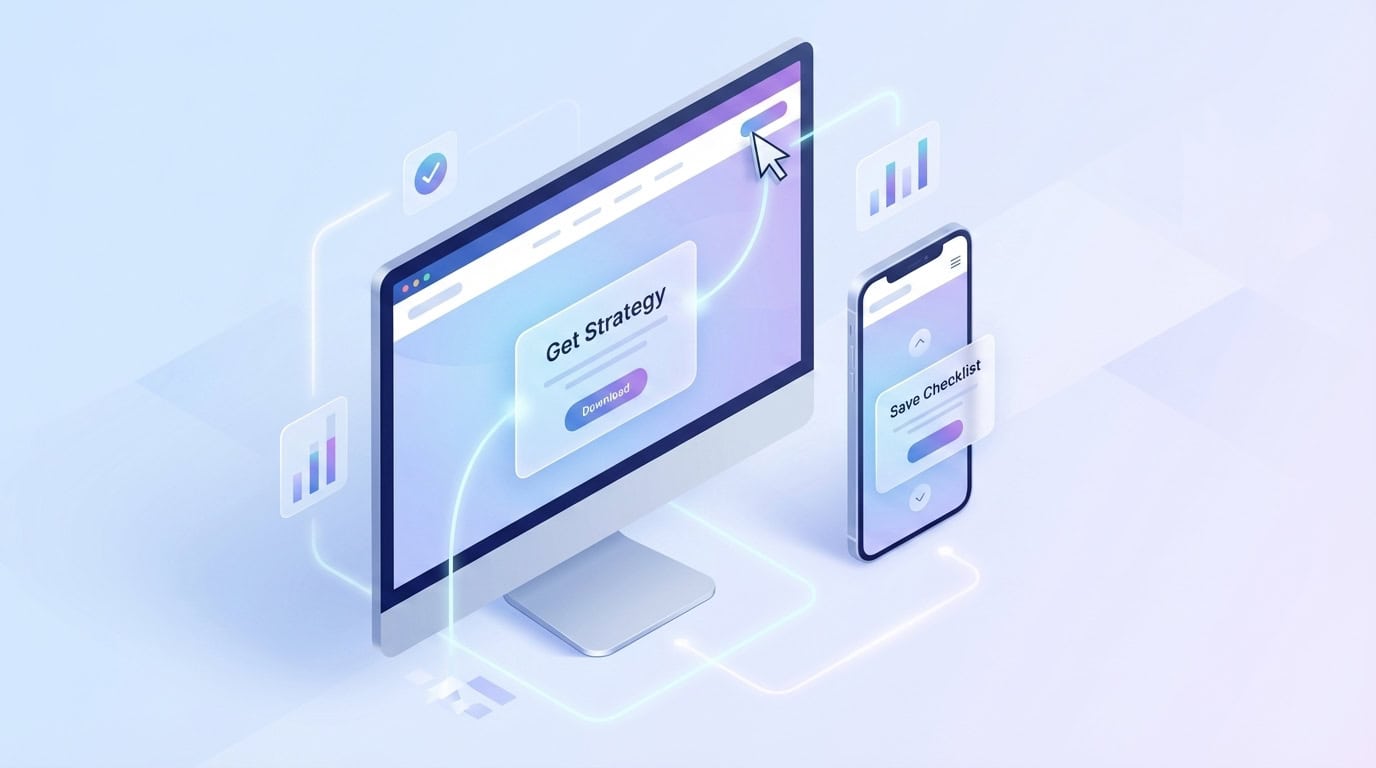
Understanding the Mechanics of Exit-Intent Technology
Before deploying a lead recovery strategy, marketers must understand how the underlying software identifies specific user behaviors. The effectiveness of these triggers depends on how accurately the software detects user behavior.
How Mouse Tracking and Velocity Detection Work
On desktop devices, the technology primarily relies on tracking the movement and speed of the user's cursor. The system monitors the mouse's position within the webpage window in real-time. Exit-intent scripts monitor cursor velocity to predict departure. When the cursor moves outside the upper boundary toward the browser's navigation bar or close button, the script recognizes an intent to exit.
The detection software also measures cursor velocity to distinguish between intentional navigation and accidental movement. If a user moves their mouse rapidly toward the top of the screen, the system predicts an imminent departure. This ability to predict cursor paths provides a split-second window where the brand can present a final, relevant offer. Developers often implement this using JavaScript event listeners, such as mouseleave, to detect when the cursor exits the document body.
Dwell time and idle states also affect how these triggers function on a desktop. If a user remains inactive for a set period, such as 30 to 60 seconds, the system might assume they've checked out mentally. Using these diverse signals allows for a more nuanced approach to engagement than simple time-based triggers. These technical thresholds ensure the intervention occurs only when it's most likely to be effective.
The Challenge of Exit-Intent on Mobile Devices
Detecting intent on mobile devices is significantly more difficult because there's no cursor to track. Marketers must rely on alternative signals to anticipate when a mobile user is about to leave. Common triggers include pressing the back button, switching between browser tabs, or a sudden increase in upward scroll speed. On mobile devices, exit-intent technology triggers when the visitor scrolls up toward the URL bar.
Technical teams often utilize the History API's pushState method to detect when a user attempts to go back to previous search results. Accessing the history API allows the site to trigger a specific offer before the user leaves the domain entirely. Mobile exit-intent technology also monitors idle time to see if a visitor has abandoned the session. Since mobile screens provide less real estate, these triggers must be even more precise to avoid being seen as an obstruction.
Compliance is a major concern on mobile because Google penalizes websites that use intrusive interstitials. Any mobile pop-up that visually obscures the main content upon landing can negatively impact search rankings. It's important to ensure your mobile lead recovery efforts adhere to these accessibility guidelines to protect your organic visibility. Utilizing the visibilitychange event can also help identify when a user switches tabs, providing another data point for intent.
The Impact of Disruptive Pop-ups on SEO and Brand Sentiment
Poorly implemented exit-intent strategies carry a measurable impact on search rankings that extends beyond a simple bounce. If the delivery of an offer is too aggressive, it can lead to long-term technical and reputational damage. Learning from negative user feedback is the only way to refine your strategy and maintain high domain authority.
Google's Core Web Vitals prioritize a stable and predictable user experience, which is why intrusive interstitials are closely monitored. If a pop-up causes significant layout shifts or prevents access to content, the site's search authority might suffer. These shifts are measured as Cumulative Layout Shift (CLS). Google uses data from the Chrome User Experience Report (CrUX) to assess how these layout shifts affect real-world users. High CLS scores signal to search engines that the page is frustrating for users, which can lower your rankings.
Pop-ups can also negatively impact the Largest Contentful Paint (LCP) if the script is too heavy or loads too early. Maintaining high performance scores requires using lightweight scripts that don't delay the primary page rendering. Optimizing for Interaction to Next Paint (INP) is also critical because scripts that hang the main thread can delay the responsiveness of your site's navigation. It's best practice to ensure that scripts load after the main thread is idle to prevent blocking access to content. While the primary goal is lead generation, these tools also help reduce bounce rate by giving visitors a reason to stay before they navigate away.
From a psychological perspective, constant interruptions can lead to a phenomenon known as banner blindness. Users become conditioned to automatically close any window that appears, regardless of its value. This reflexive behavior often evolves into a general frustration that makes people avoid the brand in the future. Preserving user experience should be the primary goal when designing any conversion element.
Shifting from Generic Discounts to Value-Based Lead Recovery
Sophisticated brands are moving away from the standard 10% discount codes that dominate the e-commerce landscape. Instead, they're focusing on informational lead magnets that provide genuine utility to the reader. Brands that prioritize helpfulness over sales often see higher engagement when deploying value-based pop-ups that solve a specific problem for readers.
Offering Context-Specific Checklists and Templates
Contextual relevance is a primary ranking signal in the weighted search algorithm for user engagement. If a visitor is reading a guide on technical SEO, a generic discount is rarely helpful. Offering a downloadable PDF checklist that summarizes the main points of that specific guide is far more effective. Aligning the lead magnet with the topic ensures the offer feels like a natural extension of the content.
Templates that enable users to apply what they just read are also high-value assets. If the article discusses budget planning, a pre-formatted spreadsheet makes the transition from learning to doing much easier. These tools transform the brand from a simple content provider into a functional resource. Providing these resources demonstrates that you understand the reader's current problem and have a solution ready.
Using page-specific assets ensures that the pop-up is perceived as a helpful suggestion. This level of personalization makes the visitor more likely to share their contact information. It builds a bridge between informational intent and the buyer's conversion stage. You can learn more about this by leveraging micro-conversions to establish early trust with your audience.
Traditional pop-ups generally convert at a rate between 2% and 5% across various industries. However, context-specific offers often exceed these averages because they align with the user's active search intent. When the offer matches the content, the interruption is no longer a nuisance. It becomes a resource that the user actually wants to interact with.
Providing Executive Summaries and Cheat Sheets
The "Save for Later" utility is a powerful way to honor a user's decision to leave while still capturing their email address. Many people browse during short breaks or while commuting and may not have time to finish a long-form article. An exit-intent pop-up that offers to email an executive summary allows them to consume the content on their own schedule.
Cheat sheets that distill complex topics into one-page references are incredibly popular lead magnets. These documents provide immediate value that users can keep on their desktops for future use. It positions your brand as a helpful authority that values the reader's time and convenience. Distilling content into summaries acknowledges the reality of modern attention spans and the frequency of multi-device browsing.
By offering a condensed version of your insights, you're making it easier for the customer to remember your brand. It builds trust by showing you're more interested in being helpful than in just getting a click. This long-term relationship building is what drives repeat traffic and customer loyalty. It transforms a departing visitor into a long-term subscriber who sees your brand as a leader.
Psychological Principles of Non-Intrusive Engagement
Successful engagement strategies leverage established psychological triggers to encourage action without being manipulative. By understanding how the human brain processes information, marketers can design better interactions. These principles help bridge the gap between technical triggers and human psychology.
Using the Zeigarnik Effect to Encourage Completion
The Zeigarnik Effect is a psychological phenomenon where people remember uncompleted tasks more vividly than completed ones. When a user leaves an article halfway through, there's a subconscious feeling of unfinished business. An exit-intent pop-up can gently remind them of the value they've yet to unlock. This creates a mental itch that the user feels compelled to scratch.
You can phrase your offer to highlight the specific insights or steps the reader hasn't reached yet. Highlighting the remaining steps re-engages their curiosity before they close the tab. The Zeigarnik Effect works best when the content is structured in a clear, sequential manner. If the user knows they're on step three of a five-step process, they're more likely to want the full guide for later use.
Leveraging this psychological tension can significantly improve your lead recovery rates. It's a non-intrusive way to remind the user why they landed on your page in the first place. When combined with a clear summary, it provides a logical path for the user to finish their task. This strategy turns a negative exit into a positive commitment to return.
Avoiding Confirmshaming and Negative Cognitive Load
The copy used in your buttons and headlines has a quantifiable change in user engagement metrics. Confirmshaming is the practice of making the "no" or "close" option sound insulting or negative. For example, a button labeled "No, I don't want to grow my business" is a common yet harmful tactic. This practice ruins long-term brand sentiment and creates negative cognitive load.
Using manipulative confirmation copy breeds resentment in your audience. It might lead to a few extra clicks in the short term, but it destroys trust. Users feel pressured rather than helped, which is the opposite of a value-first strategy. It is essential to respect the user's choice to say no to maintain professional credibility.
Instead, use positive and neutral language for both the acceptance and rejection options. A simple "No thanks" or "I'm not interested right now" preserves the user's dignity. Keeping the relationship professional ensures that the user doesn't leave with a bad taste in their mouth. High-quality SEO articles should always be paired with respectful conversion tactics.
Alternative Exit-Intent Actions: Beyond the Email Capture
While lead generation is often the primary goal, exit intent can also serve other useful purposes. Capturing an email isn't the only way to retain value from a departing visitor. Diversifying your approach allows you to cater to different user needs and stages of the funnel.
One effective strategy is to suggest a high-converting related post that might better answer the user's specific query. If they are leaving a broad article, they might be looking for a more specific deep dive. Providing a clear path to a related resource keeps the user on your site and increases session duration. This reduces your overall bounce rate and improves your site's topical authority.
For B2B companies, an exit-intent trigger can offer a live chat prompt to help a user who might be stuck. If a visitor has spent time on a pricing page and moves to leave, they may have a question that isn't answered. Offering immediate help can bridge the gap between consideration and decision. This real-time interaction can be the difference between a lost lead and a new customer.
You can also use these windows to highlight limited-time events or webinars that align with the page content. This provides a high-value alternative to a standard newsletter signup. By offering diverse ways to stay connected, you increase the likelihood that the user will find something that resonates with them. Offering diverse engagement paths is a hallmark of a mature digital marketing strategy.
Best Practices for Design and Visual Hierarchy
The visual presentation of an offer is just as important as its substance. If a pop-up looks cluttered or unprofessional, users will dismiss it as spam before they even read the headline. A clean design reinforces the message that the offer is a legitimate and valuable resource.
Minimalist Design and Brand Consistency
High-quality pop-ups should follow a minimalist design aesthetic that emphasizes clarity and ease of use. Large amounts of white space help the core message stand out without overwhelming the viewer. The use of high-quality imagery should support the offer rather than distract from it. Visual consistency is necessary to reassure the user that the offer is safe.
The typography and color palette must match your primary branding perfectly. When a pop-up looks like a native part of the website, it's less likely to be perceived as an intrusive third-party ad. Avoid loud, clashing colors or flashing elements that scream for attention. A professional design reflects a confident brand that doesn't need to resort to gimmicks.
The goal is to make the transition from the content to the pop-up feel seamless. Use a layout that guides the eye naturally from the headline to the benefit and finally to the button. Guiding the eye through a visual hierarchy reduces the effort required for the user to understand the value proposition. Clear design is a critical component of any CTA placement strategy.
Clear and Accessible Call-to-Action (CTA) Buttons
CTA design should focus on high color contrast to ensure the button is the most visible element on the screen. The button size must be large enough for mobile users to tap easily without accidentally clicking. Using clear, action-oriented text tells the user exactly what will happen when they click. Avoid vague labels like "Submit" in favor of more descriptive text, such as "Send Me My Checklist."
Making it hard to find the close button is a dark pattern that leads to immediate frustration. Always provide a clear "X" or a "close" link that's easy to see and interact with. If a user feels trapped by a pop-up, they won't just close the window. Instead, they will likely leave your site entirely. Respecting the user's exit path is the fastest way to build long-term trust.
Accessibility should be a top priority during the design phase of any conversion element. Ensure that your pop-ups are screen-reader-friendly and can be navigated with a keyboard. A truly great user experience is available to every visitor, regardless of how they access your site. Ensuring your upper page boundary triggers follow these rules keeps your site professional.
Advanced Segmentation and Display Logic
Not every visitor to your site is at the same stage of the customer journey. Showing the same offer to everyone is an inefficient strategy that ignores the specific needs of different segments. Sophisticated segmentation ensures that your message hits the mark more often than not.
New vs. Returning Visitor Strategies
Personalized pop-ups have a 42% higher conversion rate than generic ones. For a new visitor, the best approach is usually to offer top-of-funnel educational resources, such as a beginner's guide. They're still learning about your brand and aren't likely ready for a hard sales pitch. Personalized offers increase conversion rates by 42% compared to generic versions.
Returning visitors require a different level of engagement because they've already shown a recurring interest in your content. You might offer them more advanced utilities or a personalized "welcome back" message with a specific resource. Recognizing their history with your brand builds a deeper sense of connection. It makes the visitor feel like more than just another number in your analytics dashboard.
Using cookies to track these interactions allows you to serve the most relevant message at the right time. You can also prevent people who have already subscribed to your newsletter from seeing the same lead magnet. This prevents you from annoying your most loyal fans with redundant requests. Effective segmentation is a core part of any content marketing strategy.
Traffic Source and Referral Segmentation
Changing your pop-up content based on where a user came from is a highly effective way to increase relevance. If a visitor arrives from a specific LinkedIn post about content marketing, your exit-intent offer should reflect that topic. Showing a referral-specific resource reduces the feeling of intrusion because it directly relates to why they visited. Applying this level of granularity is essential for high-intent campaigns.
You can target visitors based on their referral domain to provide a more tailored experience. For instance, someone coming from a professional forum might respond better to a technical whitepaper than a casual reader from social media. Adopting a data-driven approach maximizes the ROI of your lead recovery efforts. It ensures your resources are spent where they will have the most impact.
Segmenting by traffic source also helps you understand which channels are bringing in the most high-intent visitors. You can then allocate more resources toward creating specialized assets for those specific audiences. Segmenting by traffic source helps in developing exit-intent pop-up best practices for SaaS and B2B models. Data helps you refine your non-intrusive lead-generation tools for better results.
Technical Optimization for Seamless Integration
The technical implementation of your pop-ups must be flawless to ensure they don't break the user experience. Even the best offer will fail if it's delivered via a buggy or slow-loading script. Technical excellence is the foundation upon which your creative strategy is built.
Managing Frequency Capping and Cookies
Frequency capping prevents your pop-ups from becoming a nuisance. A user should not see the same offer every time they navigate to a different page or visit your site. Use cookies to track visitor interactions with your pop-up and set sensible intervals before it reappears. Capping frequency ensures the interaction remains a rare and valuable event rather than a constant interruption.
When a visitor closes a pop-up, you must respect that choice and hide the offer for a significant period. Showing the same window repeatedly after a user has dismissed it is one of the fastest ways to drive them away. Proper cookie management ensures that your engagement efforts remain professional. It's better to miss a single lead-capture opportunity than to alienate a potential customer permanently.
You should also consider setting a global cap on how many times any pop-up can be shown to a single user in a week. Applying a broader limit protects the overall integrity of the site's user experience. It keeps the relationship with the visitor respectful and balanced. A focus on technical details separates high-authority brands from low-quality sites.
Implementing A/B Testing for Conversion Optimization
To maximize the efficiency of exit-intent strategies, brands should employ rigorous A/B testing protocols. Testing variables such as headline copy, offer type, and visual imagery allows for data-driven refinements. You should monitor how different segments respond to varying trigger delays or scroll depths. Testing ensures that your lead recovery efforts are consistently optimized for the highest possible engagement. Effective testing environments help you identify which value propositions resonate most with your specific audience segments.
Improving Load Speed and Eliminating Layout Shift
Heavy scripts can slow down your page and negatively impact your SEO performance. It's important to use lightweight solutions that load asynchronously so they don't block the rendering of your primary content. A fast-loading site is a prerequisite for a good user experience and high search rankings. Regularly audit your conversion scripts to ensure they aren't dragging down your technical metrics.
Poorly coded pop-ups often cause Cumulative Layout Shift, where the content moves unexpectedly as the window appears. This is a major frustration for users and a red flag for search engines. Your exit-intent tool should be designed to overlay the content without shifting the underlying elements. Maintaining technical precision helps reduce bounce rate and maintain a high quality score.
Use tools like Google PageSpeed Insights to monitor the impact of your marketing tools on your technical metrics. A seamless integration is one that the user barely notices in terms of performance. Maintaining these standards ensures that your lead recovery efforts don't come at the cost of your search visibility. Technical health is the backbone of any automated lead recovery system.
Measuring Success Beyond Conversion Rates
While capturing leads is the primary goal, focusing solely on conversion rates can give you a distorted view of success. You must look at a broader set of metrics to understand the true impact of your exit-intent strategy. Adopting a holistic view allows you to refine your approach based on real user behavior.
Tracking the "Close Rate" alongside the "Conversion Rate" helps gauge user frustration. If 98% of your visitors are closing the pop-up immediately, it's a sign that your offer or timing is off. A high close rate suggests that the interruption is being perceived as a nuisance. Exit intent pop-ups can boost conversions by up to 36% when the close rate is kept low.
You should also monitor the subsequent page views and session duration after a user interacts with a pop-up. If people continue browsing your site after closing the window, it means you haven't fully disrupted their flow. However, if they leave immediately after the pop-up appears, you need to rethink your approach. Analyzing post-exit behavior helps you understand how to reduce cart abandonment with exit-intent strategies.
Long-term brand recall and sentiment are harder to measure but equally important. Conduct occasional user surveys to see how people feel about the various elements on your site. The ultimate goal is to create a lead recovery system that users find helpful, not something they have to tolerate. Success is measured by the growth of a loyal and engaged audience over time.
Master Your Lead Recovery with Ready-to-Publish Content
The most effective exit-intent strategies are those that prioritize user intent and offer genuine value. By shifting from aggressive interruption to a "save for later" mindset, you can recover lost leads without degrading the user experience. Providing actionable resources is the ultimate path to building a loyal and engaged audience. The strength of a value-based pop-up depends entirely on the quality of the content behind it.
Achieving this level of technical and creative sophistication requires a steady stream of high-quality, relevant content. We understand the challenges of producing search-optimized articles that align with these user-first principles at scale. Our expertise lies in creating ready-to-publish content that drives real results and keeps your visitors coming back for more. We help you implement these strategies by providing the premium assets your pop-ups need to be successful.
We specialize in helping brands like yours navigate the intersection of search visibility and user satisfaction. We produce insightful, authoritative content tailored to your specific brand voice and marketing goals. Schedule a demo today to see how we can help you engage your audience and grow your business with content that truly works.
